A Memory Utility Publication · Portfolio Vol. I

Marcus Richards

AI Systems Operator & Automation Architect — Calgary, Alberta

I build AI systems that are safe, economical, and auditable on ordinary hardware. Every project below ships with its evidence attached — what is proven, what is in progress, and what is not claimed.

Golden Gate Book
Issue 1 · MMXXVI
Chapter I — Flagship dossiers

Three dossiers, one standard.

The portfolio has a spine now. Interlock is the mechanism — authority that expires. Exhibit is the intelligence — every claim presented as evidence. Reclamation is the proof applied — accountability measured from orbit. Each dossier below is a full reading: the problem, the mechanism, the record, and what is not claimed.

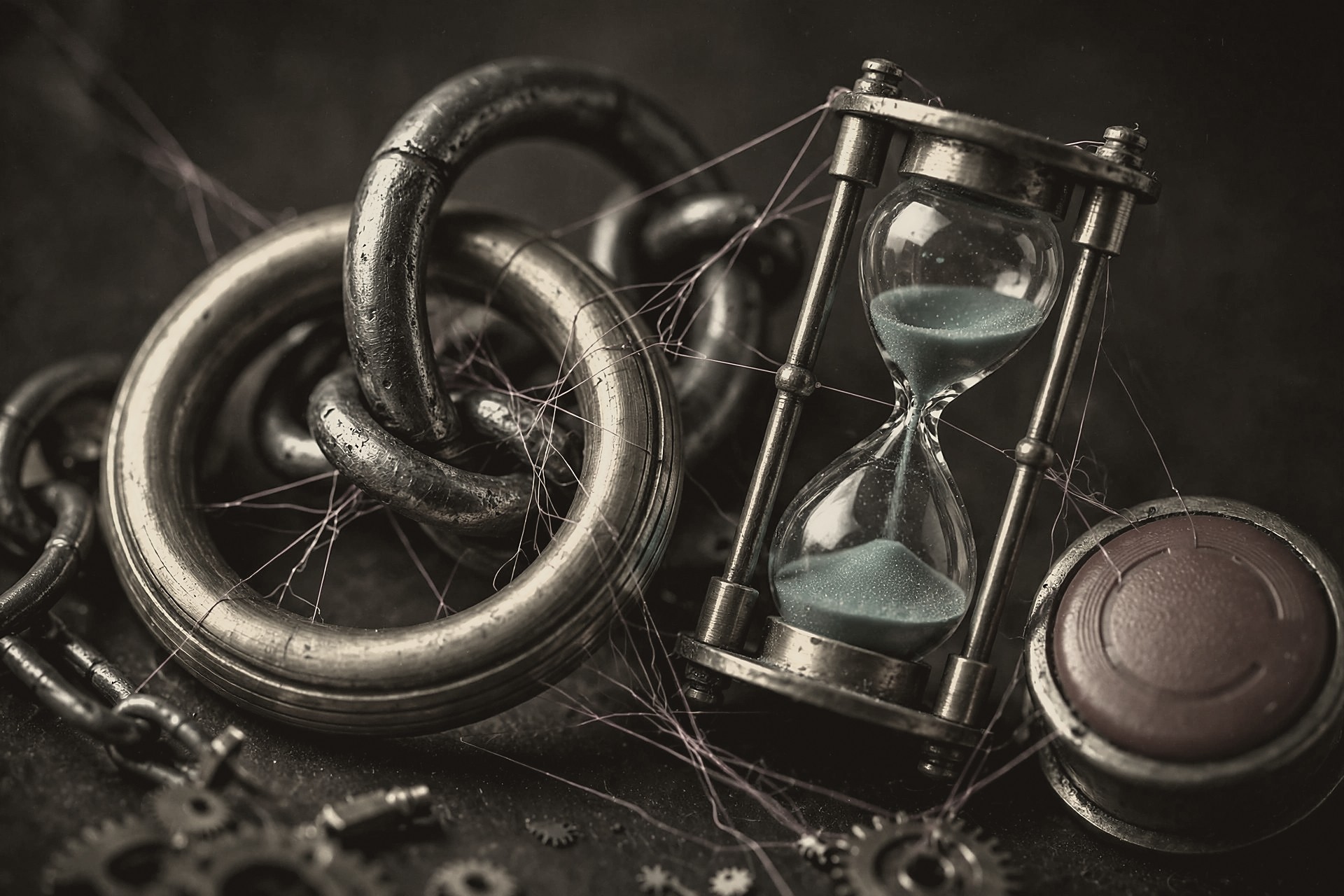
Brass and steel rings interlocked, an hourglass of teal sand, a crimson stop disc, joined by magenta network lines
Dossier ILeases · E-stop · Fault bus
Dossier No. I

Interlock

Agent safety substrate

Authority is a loan, not a possession: leases that expire, a global e-stop, a fault bus, and claims that carry their provenance. Zero-dependency Python, v0.1.0, MIT, CI green — the tests ship with the release.

What it proves: safety can be a runtime property, not a policy document.

v0.1.0 releasedMITCI green
Read the dossier →
Vintage scientific plate of a certificate-transparency radar with teal rings and magenta verification seals
Dossier IICT radar · Claim tiers
Dossier No. II

Exhibit

Open-source intelligence, presented as evidence

Defensive OSINT for infrastructure owners: 11 public sources fused, a certificate-transparency radar, and a temporal sentinel that remembers what it couldn't see. Born from a postmortem — the pipeline once believed a re-served scan at 90% confidence. Now the collector never verifies; a human disposes.

What it proves: intelligence earns trust the way testimony does — provenance, or it didn't happen.

13 live runsMIT41-test suite
Read the dossier →
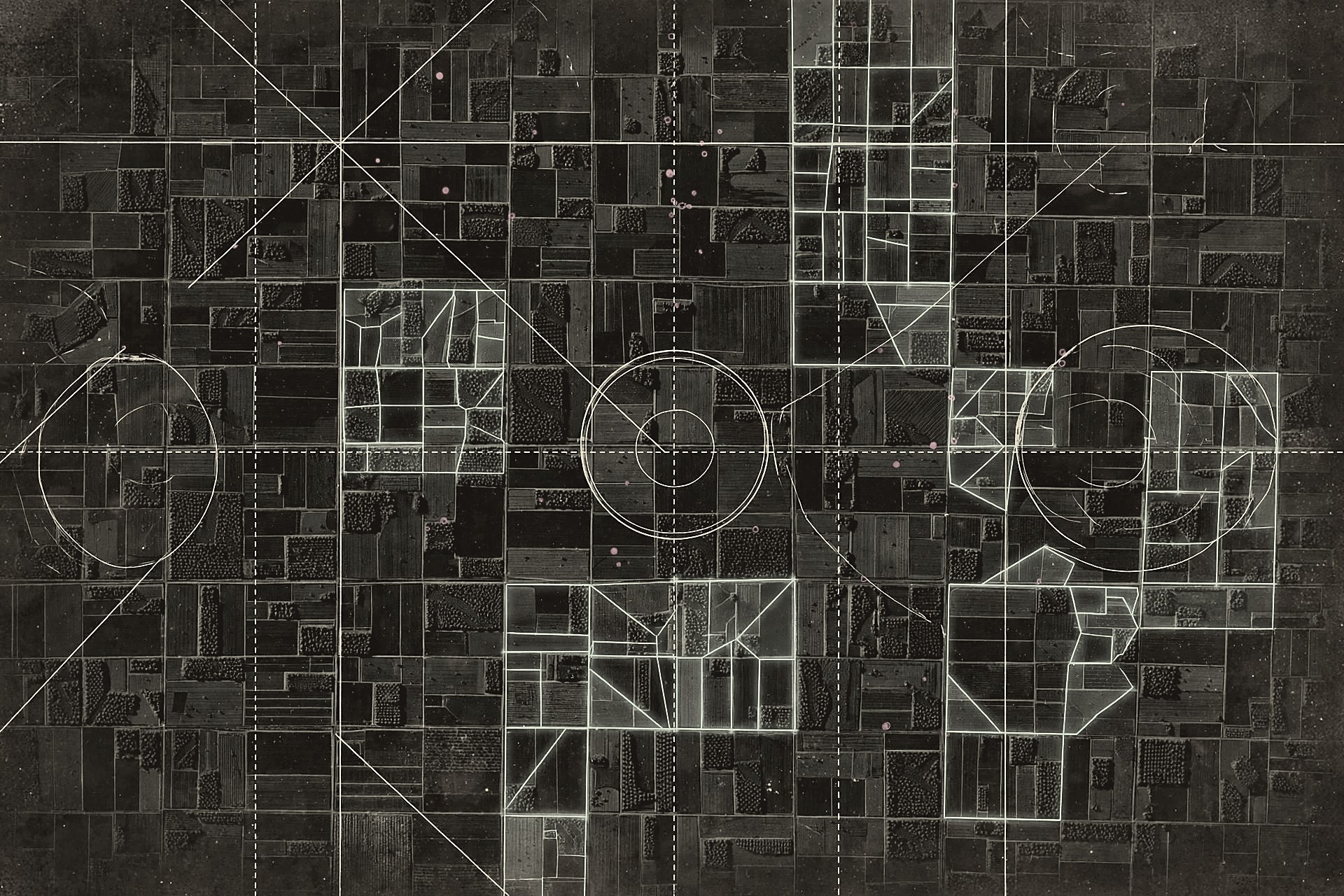
Night satellite view of a farmland grid with teal change-detection polygons and magenta markers on surveyed parcels
Dossier IIISentinel-2 · 10 m · ~5-day revisit
Dossier No. III

Reclamation Evidence Ledger

Environmental accountability, from orbit

Sentinel-2 change detection over Alberta's oil and gas footprint — 99 assessed sites across 13 licensees, each with a machine-readable evidence packet on a live public dashboard. Its best feature is a mistake it caught in itself: the first method measured the calendar, not the land, and the audit rebuilt it.

What it proves: public satellite data can hold remediation to account — and honest methods survive their own audits.

99 sites assessedMITDashboard live
Read the dossier →

Chapter II — The thesis

Agents you can hold to account.

Autonomous systems fail in three predictable ways: they exceed their authority, they burn budget nobody measured, and nobody can reconstruct what they did. My work attacks all three — with runtime controls, token governance, and ledgers that stamp every claim with its provenance.

Pillar 01

Safe

Bounded authority at runtime: leases that expire, an e-stop that actually stops, a fault bus that records. Interlock and Hermes treat an agent's power as a loan, not a possession.

Pillar 02

Economical

Tokens are finite inventory. AEGIS packs context once, reuses it while the bytes are unchanged, and holds a protective reserve floor — with an honest-yield rule that keeps savings claims null until an admitted pair of runs proves them.

Pillar 03

Auditable

Every consequential claim carries its status — verified, inferred, guessed, unknown. Ledgers, receipts, and evidence packets make the work reconstructible by someone who was never in the room.


Chapter III — Supporting instruments

Behind the flagships, the workshop.

The dossiers above are the argument; these are the instruments behind it — the governance substrate under trial, the lab where doctrines get tested, and architectures still on the drawing board. Each labeled exactly for what it is.

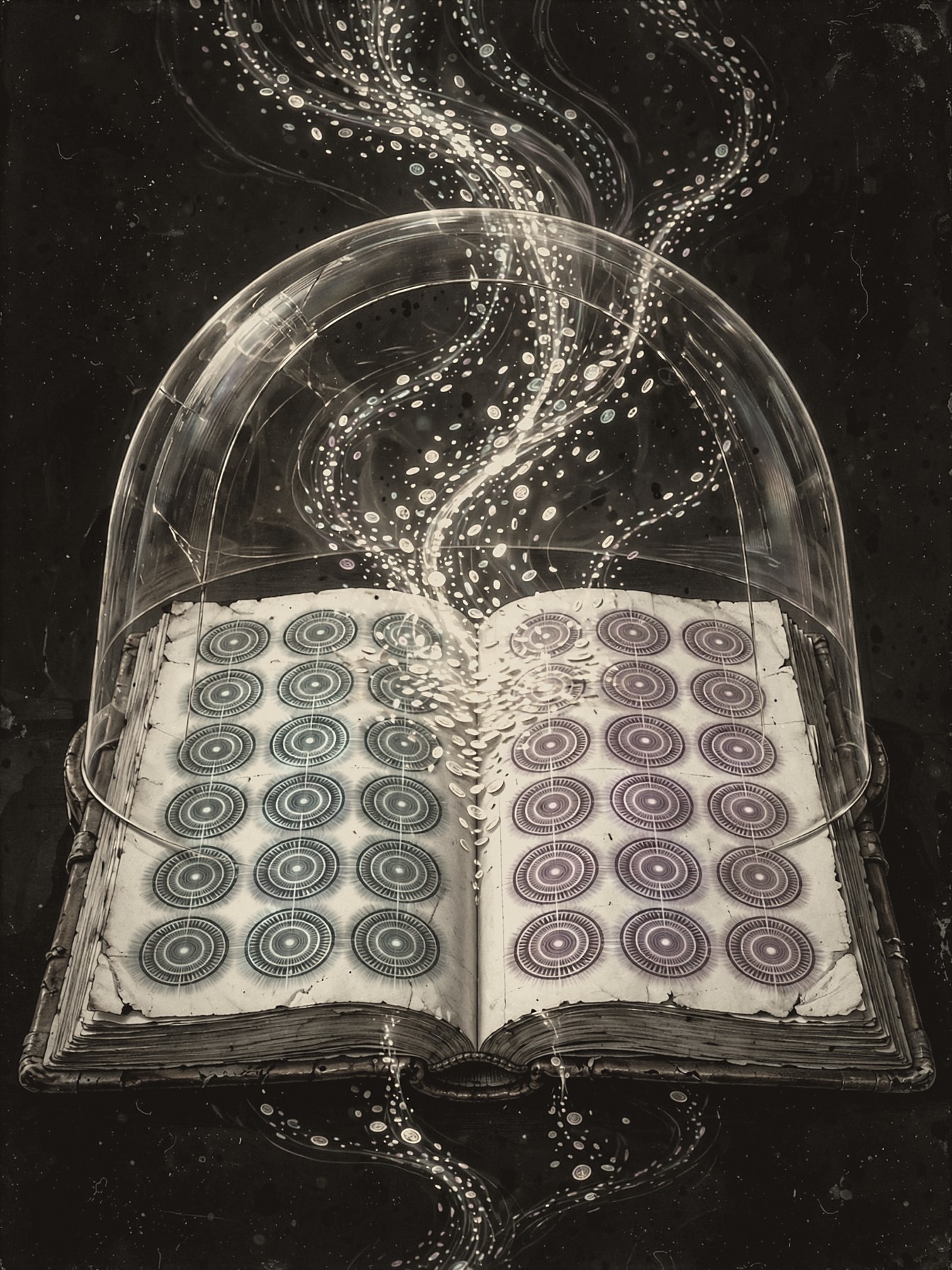
An open ledger book stamped with teal and magenta receipt seals, streams of glowing tokens flowing in beneath a protective amber dome
Plate ITokens · Ledger · Reserve
No. I

AEGIS

Governance substrate, under trial

Token governance for long coding sessions: pack once, reuse while the bytes are unchanged, land, ledger. A protective reserve floor of ≥80% under a weekly budget keeps sessions honest, and the honest-yield rule refuses to print a savings percentage until an admitted pair of runs earns it. A supporting thesis to the flagships — the trial is the point.

What it proves: economy can be engineered — and measured without lying.

v1.2.0 releasedMITHonest-yield proof in progress
Read the volume →
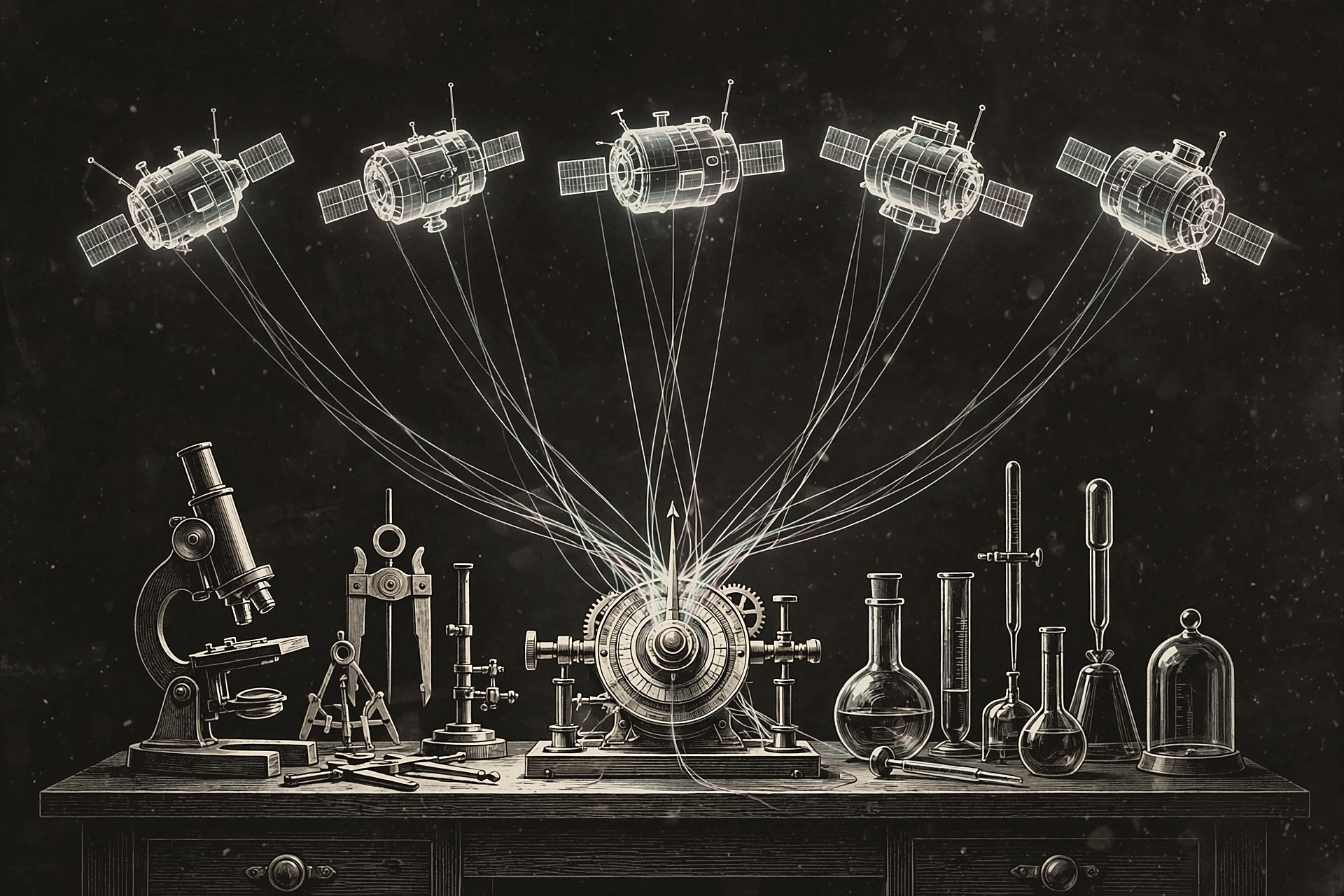
A night laboratory bench with glowing orbital module holograms linked by threads of teal and magenta light
Plate IILocal-first · Agent research
No. II

Star Lab

A free local agent research lab

Commissioned and directed by me, built with Grok: a local-first laboratory for running agent experiments on ordinary hardware — no cloud bill, no data leaving the bench. The workshop where doctrines get tested before they get published.

What it proves: serious agent research doesn't require serious infrastructure.

MITCI greenLocal-first
Inspect the repository →
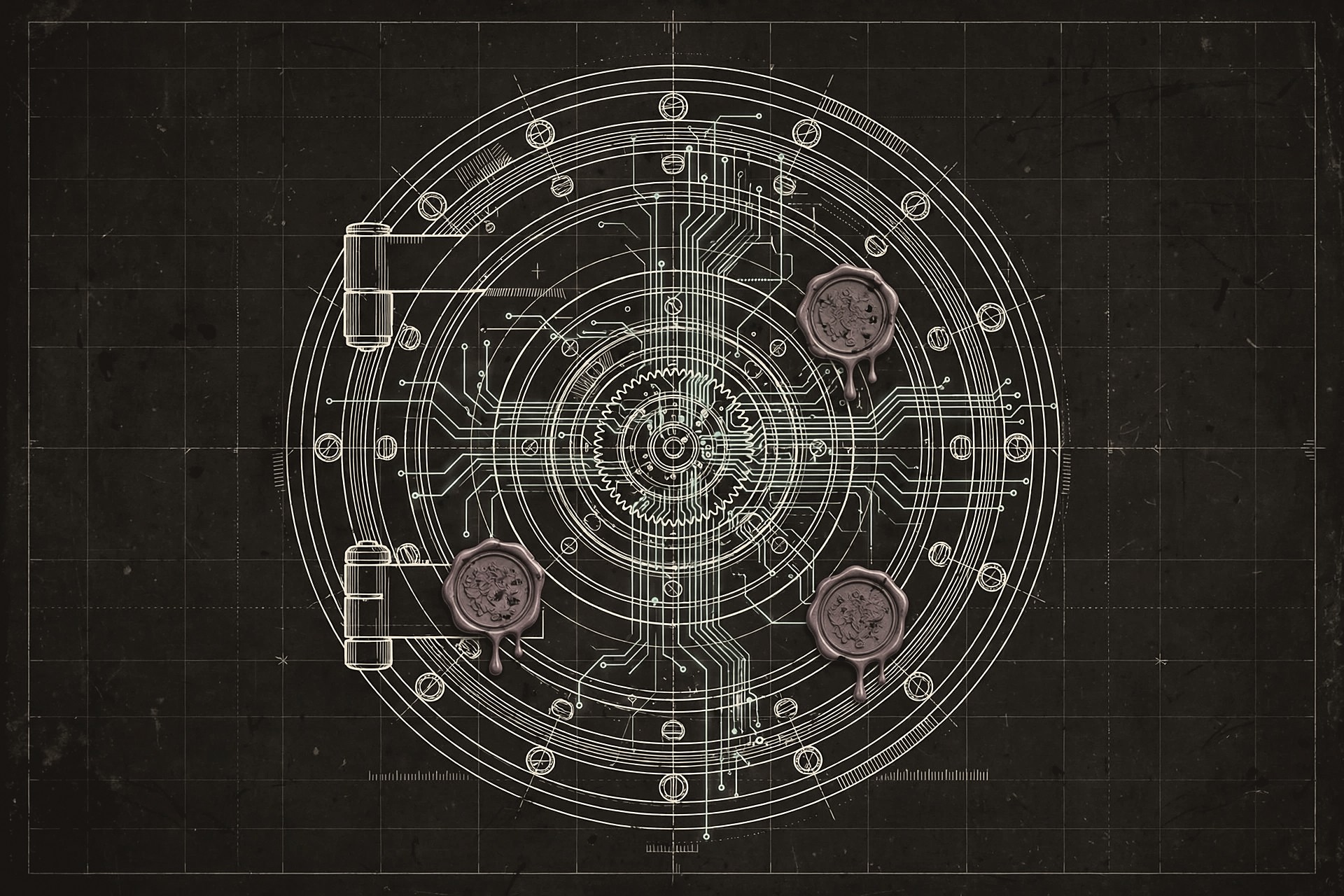
A vault door drawn as cream architectural blueprint linework, overlaid with teal circuit traces and magenta seal stamps
Plate IIIAuditable · Local-first
No. III

Sovereign Contracts

Smart contracts, auditable by design

A local-first pipeline for sovereign contract work — every stage inspectable, every artifact reproducible, nothing hidden behind a hosted black box. Built for contexts where the contract is the relationship and the audit trail is the product.

What it proves: on-chain work can carry its own evidence.

MITLocal-first
Inspect the repository →
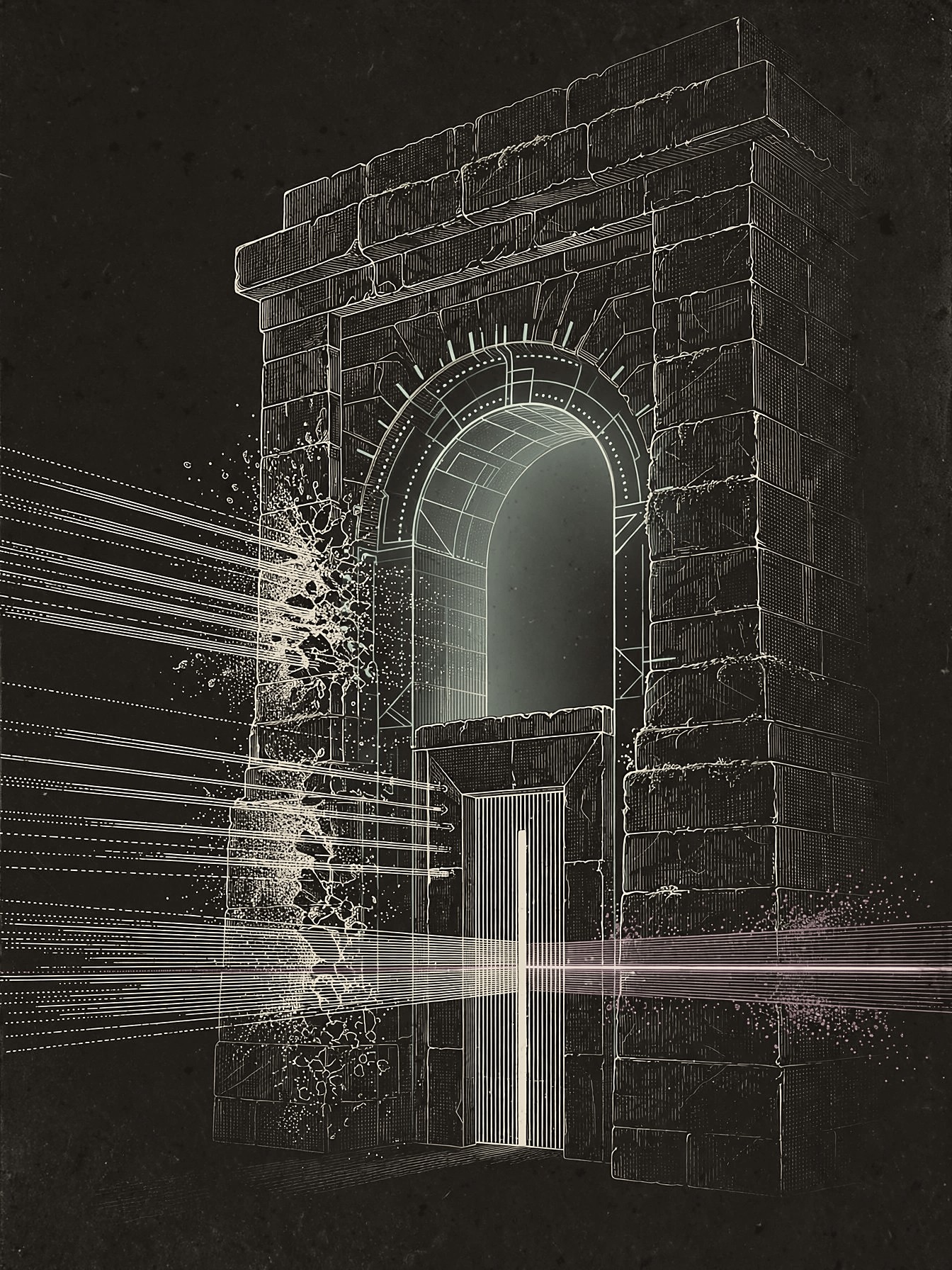
A dark stone gateway with a glowing teal arch; one beam of magenta light passes a narrow gate while others dissolve
Plate IVAllowlist · Design stage
No. IV

Hermes

Controlled execution for macOS agents

An architecture for bounded agent execution on the Mac: allowlists decide what may run, gates decide when, receipts record what did. Currently at the architecture and design stage — the drawings are honest about being drawings.

What it will prove: the desktop agent can be governed like infrastructure.

Apache-2.0Design stage
Inspect the repository →
Interlude — The AEGIS volume

“A savings claim stays null until an admitted pair of runs proves it. No admitted pair, no percentage. The rule is the feature.”

Doctrine 01

Pack once, reuse while the bytes are unchanged. Context is inventory; inventory gets counted.

Doctrine 02

Protective reserve floor of ≥80% under a weekly token budget — austere by design, aggressive on drift.

Doctrine 03

Land every change to the ledger. The 30-day existence proof for the first honest-yield pair is in progress; until it lands, there is no number here.

Chapter IV — Method

Every claim carries its status.

The Ektar standard: the finest grain, no fog. Nothing on this site is louder than its evidence. Consequential claims are tiered at the point of writing — and the tiers are part of the design, not the fine print.

Verified An executed trace exists — a release tag, a green CI run, a published ledger entry. Cited, dated, checkable. ●
Inferred Follows from verified material by a stated chain of reasoning. The chain is shown, not assumed. ◐
Guessed A working hypothesis, labeled as one. Guesses are allowed; unlabeled guesses are not. ○
Unknown Explicitly not known. An unmarked gap becomes a lie by the next reader — so the gaps are marked. ?

Chapter V — The record

Numbers with receipts.

Safe figures only — each one traceable to a repository, a release, or a ledger. The boundary below is load-bearing: it is what makes the numbers above believable.

3 dossiers
Interlock · Exhibit · Reclamation
99 sites
Reclamation assessed, Sentinel-2
13 runs
Exhibit live assessments
≥80%
AEGIS protective reserve floor
WHAT IS NOT CLAIMED — adoption, users, yield percentages, benchmark outcomes, or production readiness where a project is at design stage. The honest-yield pair is in progress. No number here outruns its evidence.

Chapter VI — Imprint

Memory Utility Labs

The publishing imprint behind the work — Calgary, Alberta. Technical monographs, working systems, and the ledgers that keep them honest. Introducing AEGIS, Technical Specifications Vol. I, is its first volume.

About the imprint →

The instrument

Ektar

The working standard: provenance, uncertainty, time, decisions, and change — preserved as carefully as the work itself. The voice of these pages.

About the standard →


Chapter VII — Contact

Start with a receipt.

For roles, collaborations, and serious inquiries about the work. Every message gets an answer; every claim in the reply carries its status.

[email protected]